Muskegon
Lake Michigan's affordable port city
City · Muskegon County
Muskegon at a glance
Lake Michigan port city with 26 miles of beaches, a revitalizing downtown, rich lumber-era history, and home prices well below the West Michigan average.
- Median Price
- $170,000
- Median DOM
- 45 days
- Walk Score
- 83
- Population
- 37,287
- Median Income
- $44,735
- School District
- Muskegon Public Schools
Market data as of 2026-02. Population: U.S. Census Bureau, 2024 estimate.
Overview
Overview
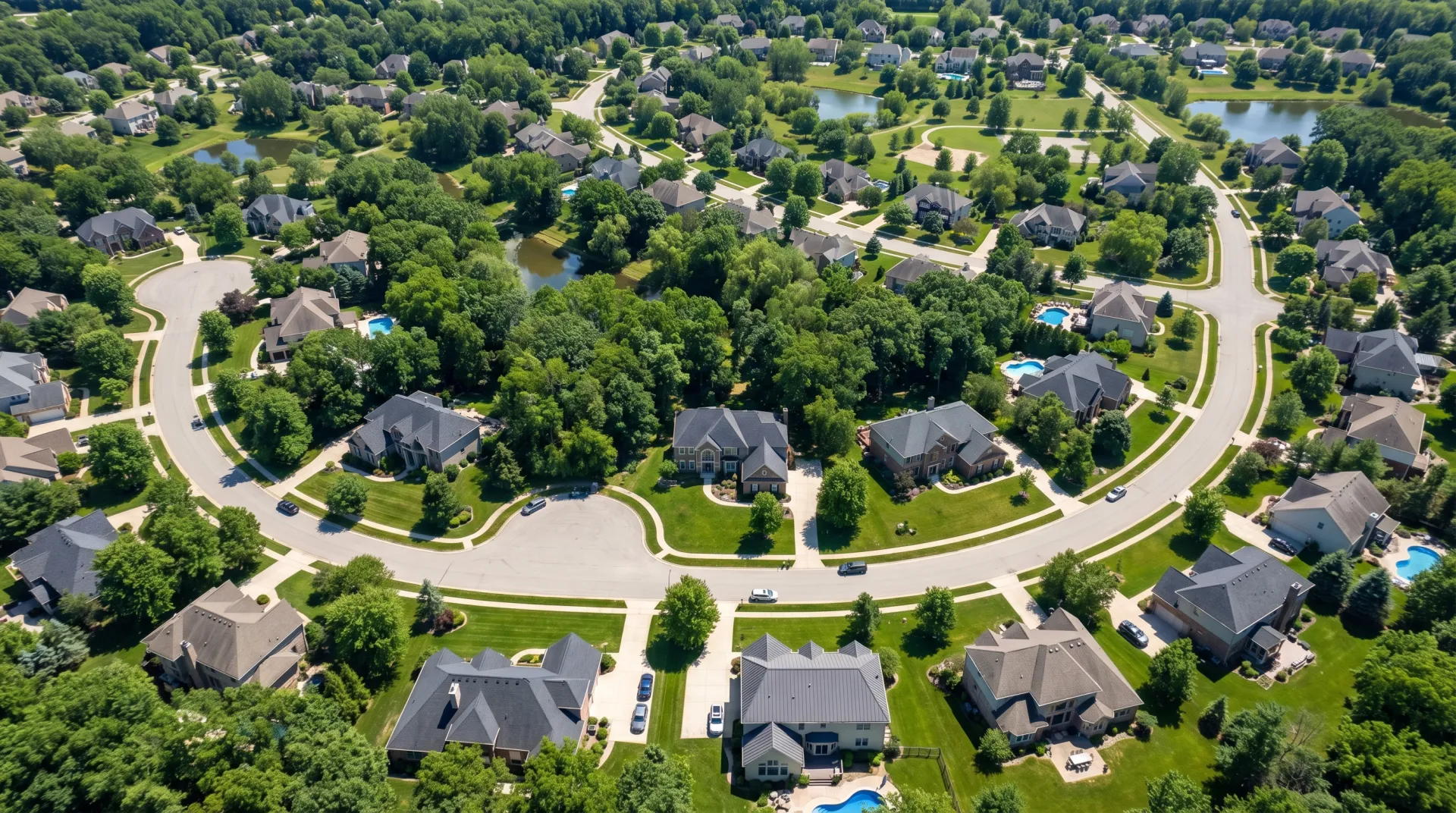
Muskegon is the largest city on Lake Michigan's eastern shore, sitting at the mouth of the Muskegon River where it flows into Muskegon Lake and then out to Lake Michigan. The county seat of Muskegon County, with a population of roughly 37,000, it is the urban center of a metro area that includes Norton Shores, North Muskegon, Muskegon Heights, Roosevelt Park, and surrounding townships.
The city's identity is shaped by water. Muskegon County boasts 26 miles of Lake Michigan beaches, three state parks, and Muskegon Lake, the largest natural deepwater port in West Michigan, handling over one million tons of freight annually. Pere Marquette Beach offers prime Lake Michigan access without the crowds of Grand Haven. The Lake Express high-speed ferry connects Muskegon to Milwaukee in two and a half hours, making the city a cross-lake transportation hub.
Downtown Muskegon is in the middle of a visible revitalization. The Lumberman's Vault Food Hall, the Core Plaza mixed-use development, and a growing roster of independent restaurants and breweries have transformed what was a struggling commercial district into an emerging destination. The most significant project is the Shaw-Walker redevelopment, a $221 million transformation of the former Shaw-Walker Furniture Company factory into approximately 571 residential units and 74,000 square feet of commercial space, backed by $159 million in state incentives approved in 2025.
Muskegon's cultural assets are substantial for a city its size: the Muskegon Museum of Art (established 1912), the Frauenthal Center for the Performing Arts (a restored 1929 movie palace with 1,726 seats), the USS Silversides Submarine Museum, the Hackley and Hume Historic Site, and the USS LST 393. Michigan's Adventure, the state's largest amusement and water park, sits just north of the city.
Real Estate
Real Estate
Muskegon's real estate market is one of the most affordable in West Michigan. The median sale price sits around $170,000 within city limits, with a wide range from below $80,000 for properties needing significant work to $300,000 or more for renovated homes in desirable locations near the lake or in the historic districts.
What to expect:
- Single-family homes: The dominant housing type, with a mix of early 1900s bungalows, Craftsman-style homes, and mid-century ranch properties. Typical lot sizes are urban, 0.1 to 0.3 acres
- Historic properties: Muskegon's lumber-baron era left a legacy of larger Queen Anne, Colonial Revival, and Italianate homes, particularly in the Heritage and Nelson neighborhoods
- Multi-family: Duplexes, triplexes, and small apartment buildings are available throughout the city, many at price points attractive to investors
- Condominiums: Limited but growing inventory, particularly in downtown conversion projects
- New construction: The Shaw-Walker project will add significant new residential inventory downtown; smaller infill projects are scattered throughout the city
- Lakefront/lakeview: Properties near Muskegon Lake or with Lake Michigan proximity command premium pricing relative to the city median
Buyers should be aware that Muskegon's affordability reflects real economic challenges including higher poverty rates (23.8%) and lower median household income ($44,735) than the broader West Michigan region. Neighborhood selection matters significantly here; conditions and property values can vary dramatically from one block to the next.
Architecture
Architecture
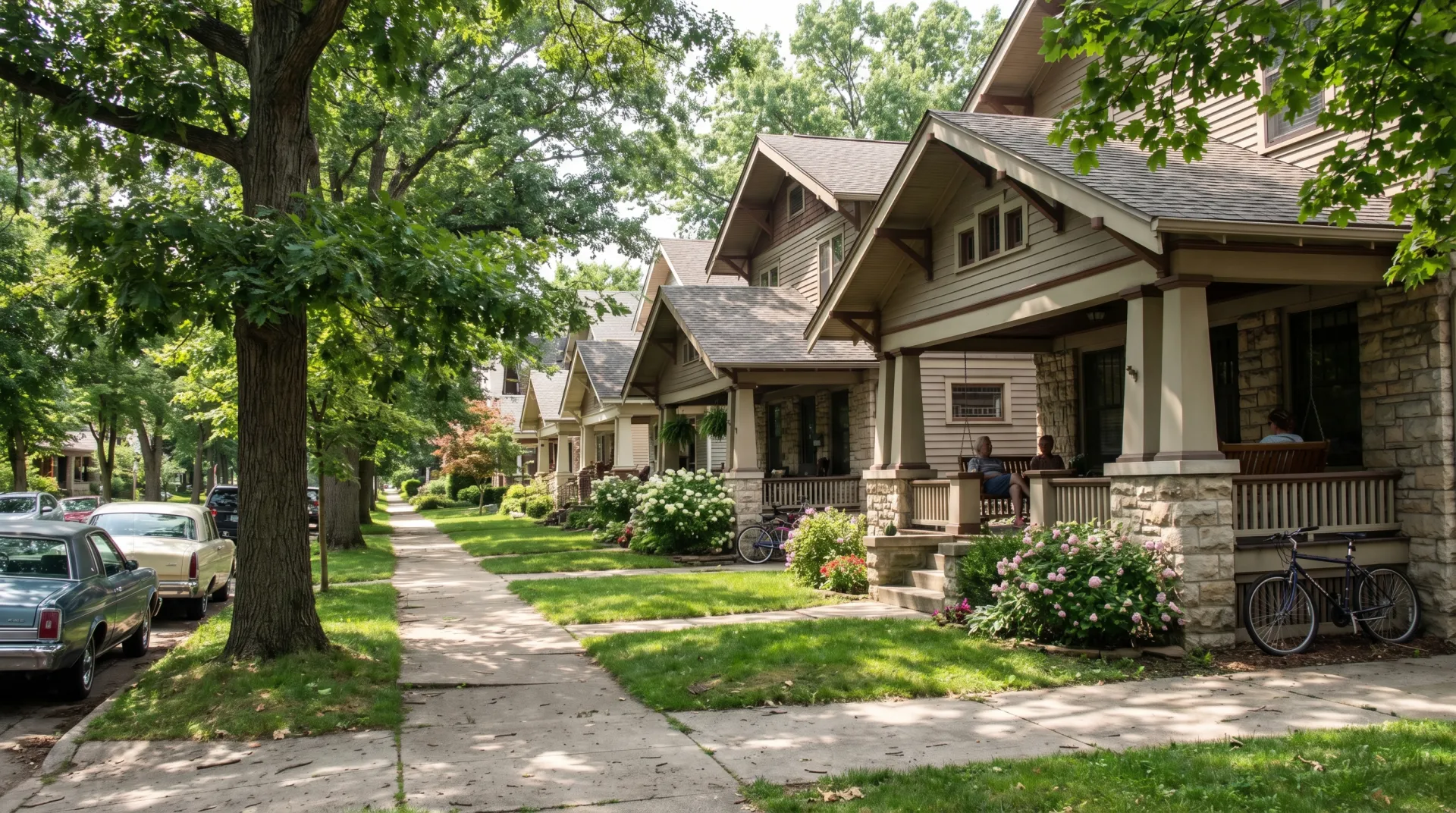
Muskegon's architectural character reflects its lumber-baron wealth and industrial history. The city's grandest homes date to the 1880s and 1890s, when Muskegon's lumber industry produced 40 millionaires, more than any other city in the country at the time.
The Hackley and Hume Historic Site represents the pinnacle of this era: the side-by-side Queen Anne mansions of lumber barons Charles Hackley and Thomas Hume, built in the late 1880s with intricate wood carvings, stenciled walls and ceilings, stained glass, and period furnishings. Both homes are open for public tours.
Beyond the showpiece mansions, the city's residential neighborhoods contain a mix of Queen Anne, Colonial Revival, Italianate, Craftsman, and American Foursquare homes from the late 1800s through the 1920s. Mid-century ranch homes and Cape Cods fill out the post-war neighborhoods. The downtown features a collection of early 20th-century commercial buildings, including the Frauenthal Center (1929), a restored Moorish Revival-style movie palace.
Muskegon also has significant industrial architecture being repurposed: the Shaw-Walker factory complex, the former Brunswick bowling equipment factory, and other industrial buildings are being converted or evaluated for adaptive reuse.
Schools
Schools
Muskegon Public Schools serves the city with approximately 3,200 students across six schools. The district faces significant academic challenges, with proficiency rates well below state averages: approximately 5% proficient in math and 14% in reading. MySchoolScout rates the district 3.5 out of 10 overall.
Families in Muskegon have several alternatives to the city district:
- Mona Shores Public Schools (Norton Shores), rated the #1 district in Muskegon County by Niche, is accessible via Schools of Choice
- Reeths-Puffer Schools serves portions of the Muskegon area
- Muskegon Catholic Central offers private education
- West Michigan Aviation Academy is a tuition-free public charter
- Muskegon Montessori Academy provides a Montessori option
Muskegon Community College serves the region with associate degree programs, workforce training, and transfer pathways. Grand Valley State University's Muskegon campus (GVSU Michigan Alternative and Renewable Energy Center) offers select programs locally.
Buyers with school-age children should carefully research which district serves their specific address, as district boundaries in the Muskegon area can be complex. Schools of Choice options expand the possibilities beyond the assigned district.
Dining
Dining

Muskegon's dining scene has expanded considerably during the downtown revitalization, offering more variety than the city's size might suggest.
Downtown highlights:
- Lumberman's Vault Food Hall at Core Plaza houses five restaurants under one roof, including Up Leaf Cafe (fusion), The Press (coffee and pastries), and The Foundry Grill (burgers, wings, comfort food), plus the Liquid Assets cocktail and wine bar
- Western Chophouse, an upscale steakhouse that opened in downtown Muskegon bringing fine-dining-caliber chefs to the city
- The Early Owl, a popular breakfast and brunch destination
- Pigeon Hill Brewing Company, a craft brewery with a taproom and food menu
Around the city and lakeshore:
- Lake House Waterfront Grill, waterfront dining on Muskegon Lake
- The Deck, seasonal lakeside dining
- Fatty Lumpkins Sandwich Shack, a local favorite for creative sandwiches
- Curry Kitchen, offering Indian cuisine
The Muskegon Farmers Market operates seasonally, and a growing number of food trucks and pop-up vendors add variety during warmer months. The dining scene here is still evolving, with new openings appearing regularly as the downtown redevelopment continues.
Parks
Parks and Recreation
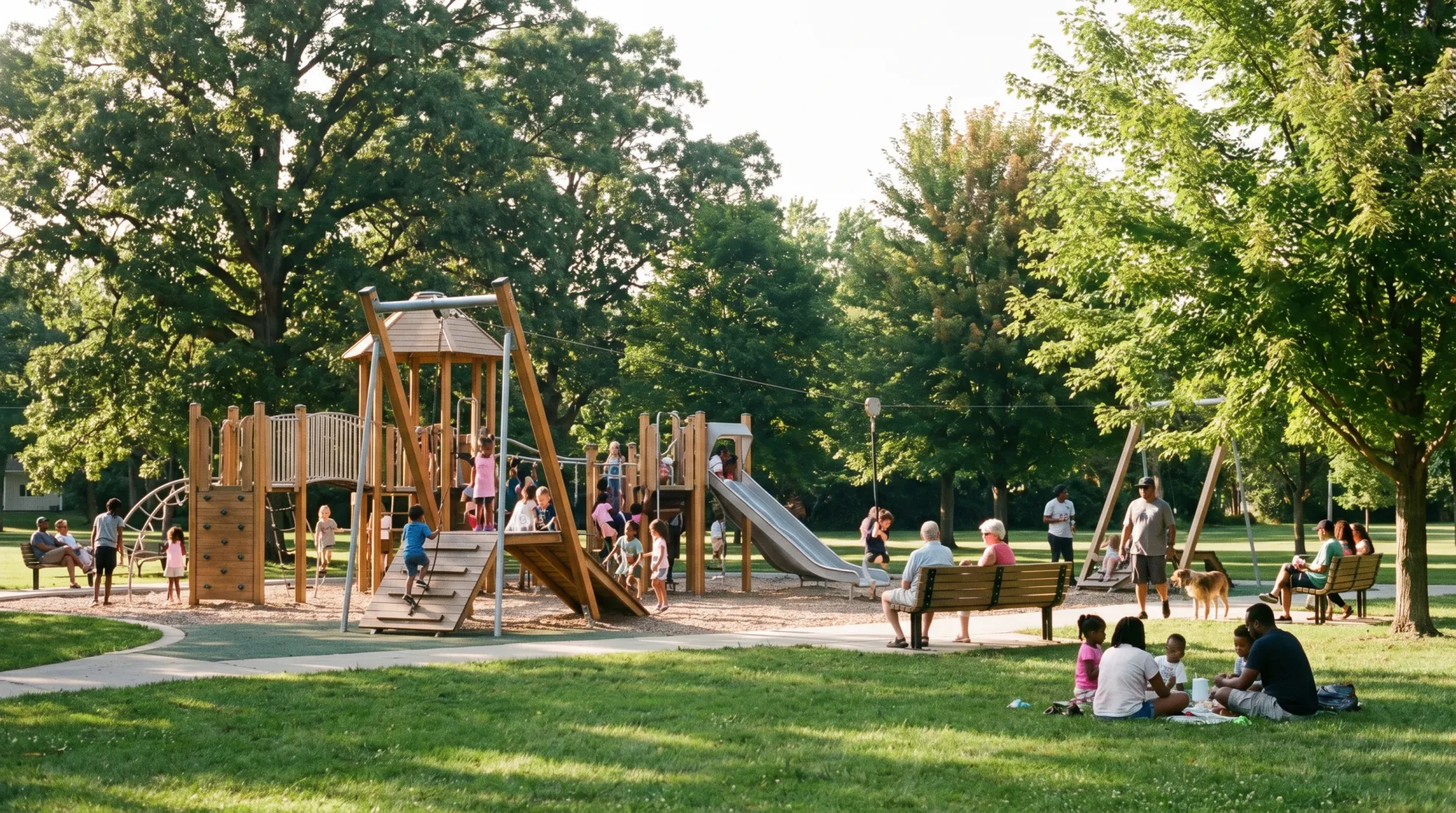
Muskegon's park and outdoor recreation offerings are exceptional, anchored by Lake Michigan access, state parks, and an expanding trail network.
Pere Marquette Park and Beach is the city's signature outdoor space, a Lake Michigan beach with sand dunes, the Muskegon South Pierhead Lighthouse (built 1903), picnic areas, and a concession stand. The beach is popular for swimming, kite boarding, and sunset viewing. Kruse Park, adjacent to Pere Marquette, is one of Michigan's most well-known dog beaches.
State Parks in the immediate area include:
- Muskegon State Park, with 3 miles of Lake Michigan shoreline, two campgrounds, 12 miles of hiking trails, and the historic Blockhouse
- P.J. Hoffmaster State Park, featuring towering sand dunes, the Gillette Sand Dune Visitor Center, and beach access
- Duck Lake State Park, offering a more secluded beach experience
The Lakeshore Trail follows the Muskegon Lake shoreline for approximately 12 miles, connecting to the Laketon Trail and the Musketawa Trail, which runs 26 miles east to Marne. This trail network provides paved, multi-use paths for biking, running, and walking.
Muskegon Luge Adventure Sports Park offers one of only four public luge tracks in the nation, plus winter ice skating through the woods and summer activities including ziplining, rock climbing, and summer luge rides. Heritage Landing on Muskegon Lake hosts concerts and festivals throughout the summer.
Getting Around
Transportation
Muskegon sits at the intersection of US-31 (north-south, connecting to Grand Haven, Holland, and points south) and I-96 (east, connecting to Grand Rapids in approximately 40 minutes). US-31 also connects north to Ludington and Traverse City.
The Lake Express high-speed ferry operates daily service between Muskegon and Milwaukee, Wisconsin, crossing Lake Michigan in two and a half hours at 40 mph. The ferry terminal is on Muskegon Lake and accommodates vehicles, making cross-lake travel practical for both tourism and business.
Muskegon County Airport offers limited commercial air service. Gerald R. Ford International Airport in Grand Rapids is approximately 45 minutes east via I-96 for full commercial flight options.
Public transit is provided by the Muskegon Area Transit System (MATS), operating fixed-route bus service within the Muskegon metro area. Aquastar Lake Cruises operates a riverboat from Mart Dock with afternoon, sunset, and themed cruises on Muskegon Lake.
The city's Walk Score of 83 reflects good walkability in the downtown and older neighborhoods, though outer areas are car-dependent. The Lakeshore Trail and connecting paths provide solid bike infrastructure for both commuting and recreation.
Community
Community
Muskegon operates under a city commission-manager form of government, with a seven-member city commission including the mayor.
The Muskegon Lakeshore Chamber of Commerce serves the business community across the greater Muskegon area. The City of Muskegon has been actively driving downtown revitalization through public-private partnerships, brownfield redevelopment incentives, and infrastructure investment.
Muskegon hosts a full calendar of annual events and festivals:
- Burning Foot Beer Festival, craft beer tasting on the beach at Pere Marquette
- Great Lakes Surf Festival at Pere Marquette Beach, celebrating Great Lakes surf culture
- Lakeshore Art Festival, showcasing local artists and artisans in the downtown
- Taste of Muskegon, a culinary festival with live music and family activities
- Unity Christian Music Festival at Heritage Landing, one of Michigan's largest Christian music festivals
- Aquastar cruises, themed evening cruises including wine tastings and live entertainment
Professional and semi-professional sports teams include the Muskegon Lumberjacks (USHL hockey), the Muskegon Clippers (collegiate summer baseball at historic Marsh Field), the West Michigan Ironmen (arena football), and the Muskegon Risers (arena soccer), all playing at Mercy Health Arena or local venues.
History
History
Muskegon's origin is as a lumber town. Euro-American settlement began in earnest in 1837, drawn by the vast pine forests along the Muskegon River. By 1854, a population of 339 lived near ten sawmills. Within two decades, the city had become a boomtown.
During the 1880s, Muskegon earned the title "Lumber Queen of the World." In the peak 1887 season alone, 665 million board feet of lumber were cut here, enough to stretch more than 12,000 miles. The city's 40 millionaires, more per capita than any city in the country at the time, built the mansions and civic institutions that survive today. Charles H. Hackley, the most prominent lumber baron, donated generously to the city: the Hackley Public Library, Hackley Park, the Hackley Art Gallery (predecessor of the Muskegon Museum of Art), and Hackley Hospital, among other institutions.
The lumber ran out by 1894. Forty-one of forty-six mills closed, triggering economic collapse during a national depression. The city reinvented itself through manufacturing: paper, automotive parts, turbines, tools, and machinery sustained the economy through the 20th century. The Sealed Power Corporation, Continental Motors, Brunswick (bowling equipment), and Shaw-Walker (office furniture) were major employers.
The late 20th century brought deindustrialization and population decline. Muskegon lost manufacturing jobs and residents for decades. The current chapter is one of reinvention: downtown redevelopment, lakefront investment, the Shaw-Walker adaptive reuse project, and the growing tourism economy are reshaping the city's trajectory.
Investment
Investment Potential
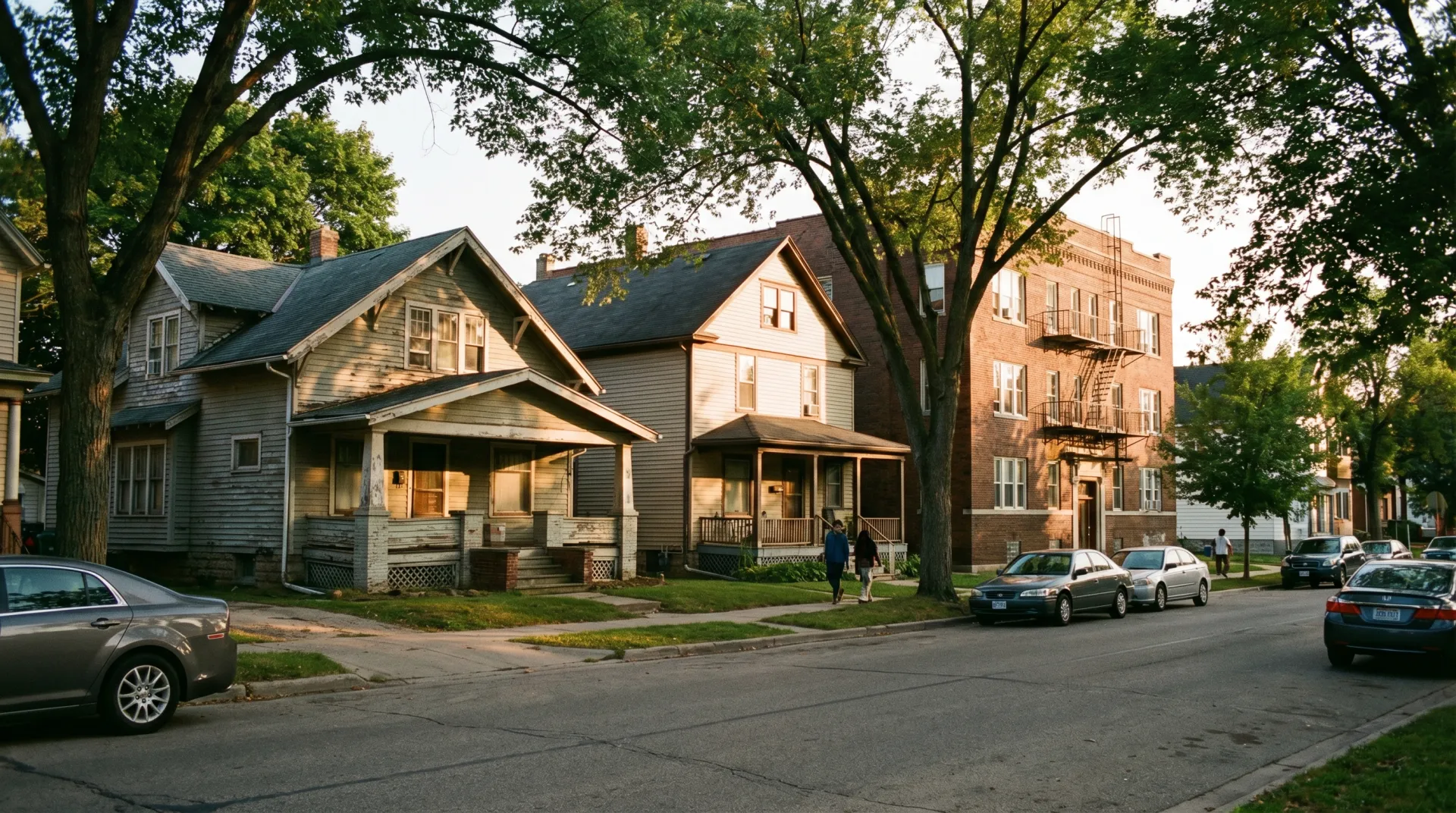
Muskegon presents one of the most compelling value propositions in West Michigan for real estate investors, though it comes with correspondingly higher risk and management complexity.
Entry prices are remarkably low. A median home price around $170,000 in a lakefront city is rare in Michigan. Multi-family properties, duplexes, and smaller apartment buildings can be acquired at price points that allow positive cash flow from day one in many cases. Single-family rentals are in demand across a range of price points.
The revitalization thesis is real. The Shaw-Walker project ($221 million, 571 units, state-backed), Core Plaza, the Western Chophouse, and the broader downtown restaurant and retail growth represent meaningful momentum. The state's $159 million incentive package for Shaw-Walker signals confidence from Lansing. If the redevelopment delivers, property values in adjacent neighborhoods could appreciate substantially.
Short-term rental potential exists near the beaches and in the downtown, particularly during summer months. The Lake Express ferry, Michigan's Adventure, and the beach/trail network generate tourist traffic from Memorial Day through Labor Day.
The risks are equally real. Muskegon has areas with high vacancy rates, deferred maintenance, and concentrated poverty. Property management in some neighborhoods requires active involvement. Lead paint compliance is essential for pre-1978 housing stock, which is most of the city. Insurance costs can be elevated. Investors should walk the specific block, not just the neighborhood, before committing.
For investors with the capacity for active management and a 5 to 10 year hold horizon, Muskegon offers upside that is difficult to find elsewhere in West Michigan at these price points.
Nathan's Take
The local read.
Muskegon is the West Michigan market I get the most questions about from investors, and for good reason. Where else can you buy a home in a Lake Michigan city for $170,000? The numbers work here in ways they simply do not in Grand Haven, Holland, or South Haven. But Muskegon requires homework that those safer markets do not.
The city is in the middle of a genuine transformation. The downtown is noticeably different than it was five years ago: the food hall, new restaurants, the Shaw-Walker project getting $159 million in state backing. Pere Marquette Beach is one of the best Lake Michigan beaches on the eastern shore, and the trail network keeps expanding. The cultural institutions, from the Museum of Art to the Frauenthal Center to the USS Silversides, give the city substance beyond the beach.
For buyers considering Muskegon as a primary residence, neighborhood selection is everything. Conditions vary dramatically, and a few blocks can make the difference between a thriving street and a challenging one. Drive the area at different times of day. Talk to neighbors. Look at the specific block, not just the zip code. If you find the right spot, you get lakefront-city living at a fraction of what it costs further south along the lakeshore.
For investors, the value play is obvious, but do not underestimate the management intensity. This is not a market where you buy a rental and forget about it. Active property management, thorough tenant screening, and compliance with lead paint regulations for the older housing stock are non-negotiable. Get those right, and Muskegon can deliver returns that more expensive markets cannot match.
Location
Muskegon on the map
Boundary of the Muskegon area. Drag to explore the surrounding neighborhoods and commute corridors.
Listings
Browse homes in Muskegon.
See what is currently listed in Muskegon and the surrounding area.
Resources
Helpful links
Official city website with government services, parks, events, and development information
Official tourism site with beaches, restaurants, events calendar, and visitor planning resources
Business directory, economic development, and community information
District homepage with school information, enrollment, and calendar
Established 1912, featuring permanent collections and rotating exhibitions
WWII submarine museum with tours of the Gato-class submarine and indoor exhibits
Restored 1929 performing arts theater with concerts, shows, and community events
High-speed ferry between Muskegon and Milwaukee, daily seasonal service
3 miles of Lake Michigan shoreline, campgrounds, trails, and the historic Blockhouse
County government with property tax information, court services, and permits
Questions about Muskegon?
Ask Nathan.
Send a note with what you are looking for in Muskegon, price range, timeline, school or commute priorities, and Nathan will follow up.
Contact
Get in touch
Send a message and Nathan will get back to you within one business day.
Message received
Thank you. Nathan will be in touch soon.
Nathan typically responds within one business day.
— Nathan Strodtbeck, REALTOR®